
 By
By 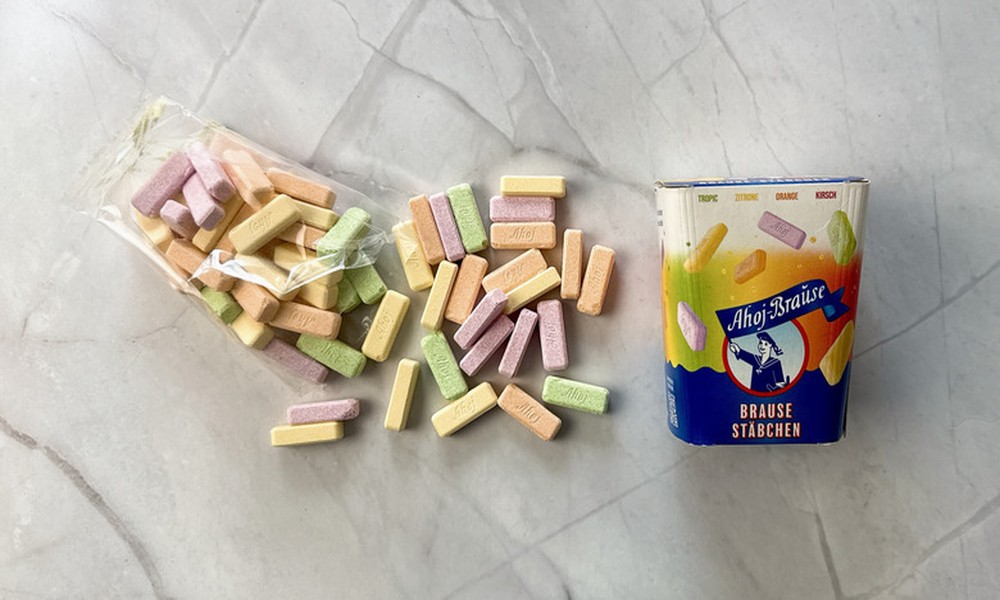
It is not obvious at first why german sweets became such a reliable fixture in social life rather than staying a private habit. Most countries have confectionery. Not all of them developed the same pattern of using it as a default gesture between people, in workplaces, at family tables, between neighbours, and between colleagues who barely know each other. Something specific to German social culture made that shift happen, and it has held across enough generations to feel completely unremarkable to people inside it.
- The gesture is genuinely low effort. Sweets require no size judgment, no deep knowledge of the recipient, and no significant financial commitment. That accessibility is precisely what makes the habit repeatable across different relationships and different contexts without becoming burdensome.
- Bringing something to a shared space signals consideration without demanding acknowledgement. Nobody needs to make a speech about it. The bowl appears, people take from it, and the social function is served without anyone having to perform gratitude in return.
- Regional varieties add a layer that generic gifting cannot replicate. Sweets carried back from a specific area tell the recipient that they were thought of while the giver was somewhere else entirely. That detail shifts the exchange from transaction to something more personal.
- Confectionery divides easily among groups of uneven sizes, travels without difficulty, and needs no preparation before sharing. Practical qualities have a way of reinforcing social habits when everything else is equal.
Taken together, these created conditions where sweets stopped being just food and started functioning as a quiet but consistent social language.
How do workplaces reflect this habit?
German office culture has its own confectionery logic, and it plays out with enough regularity to feel almost like an unwritten policy even though nothing formal underpins it.
- Someone returning from leave without regional sweets for the shared kitchen is noticed. Not dramatically, not with any confrontation, but noticed. The expectation has settled in deeply enough that its absence registers.
- Birthday customs in German workplaces often run in reverse compared to other cultures. The person celebrating frequently brings something to share rather than receiving it, a detail that consistently surprises people encountering the norm from outside.
- Sweet bowls at reception desks or in common areas refill themselves informally across a working week. Different people contribute at different times without any discussion about whose turn it is.
- Leaving a small selection on a colleague’s desk after a difficult stretch of work carries a recognised meaning that requires no note attached and no explanation offered.
These patterns appear across industries and company sizes in ways that suggest culture rather than coincidence.
What role do family settings play?
It is in family life that habits are formed earliest. German homes are synonymous with grandmothers with tins of sweets for their grandchildren. It’s a symbol of warmth and reliability. A tin’s contents matter as much as its design, often decorative, often reused, carrying accumulated meaning that a fresh bag would not.
Seasonal gifting at Easter, Christmas, and St. Nicholas Day follows formats that families return to without much deliberation. The same shapes, often from familiar producers, appear at the same points in the year. Children absorb all of this as how things are done. They carry the habits into adult life, bring them into new households, and pass them on without treating any of it as tradition worth preserving consciously. That is the clearest explanation for why sweets hold the social position they do. Nobody decided it should be this way. It just kept happening.











Comments