
 By
By 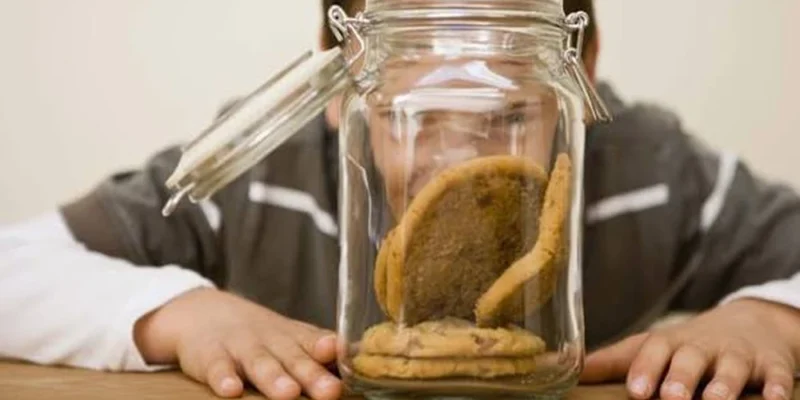
The cookie jar earns its keep once a year and then spends eleven months proving it was worth buying. Bought for Chinese New Year pineapple tarts or Hari Raya kuih, it turns out to be the right container for a dozen things that were previously living in torn packets held closed with clips. A Cookie jar is really a wide-mouthed airtight container, and that description explains most of what it is good for.
Why Airtight Matters More Here
Singapore’s humidity is the enemy of anything crisp. Biscuits, crackers, prawn rolls, kuih bangkit and love letters absorb moisture from the air and go soft within a day or two in an open packet. An airtight seal slows that dramatically, which is why festive baking is traditionally stored this way rather than left in the tin it was baked in. The seal is doing the work, so the quality of the gasket and the closure matters more than the shape of the jar.
Choosing the Right Seal
Three closures are common. A simple push-on lid is convenient and offers the least protection. A screw lid seals better and takes longer to open. A lid with a silicone gasket and side clips gives the best seal and is the sensible choice for anything you want crisp in March. Check that the gasket is removable for washing, since crumbs and oil accumulate in the groove and eventually stop it sealing. Press the lid down and listen; a good closure gives a small sound of air being displaced.
Material and Food Safety
Look for containers stated to be food grade and check the recycling code on the base. PP, marked with a five, is the usual choice for food storage: it tolerates heat well, resists oils and is generally dishwasher safe. PET, marked one, is clear and rigid and suits dry goods but is less tolerant of heat. Where a jar will be washed frequently or hold anything oily, PP is the safer default. Avoid using containers not intended for food, whatever their shape.
Beyond Festive Biscuits
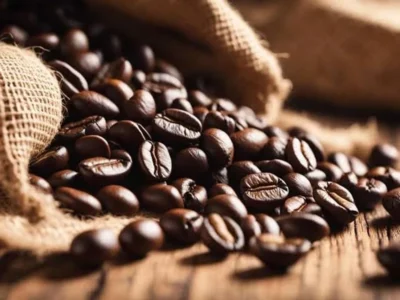
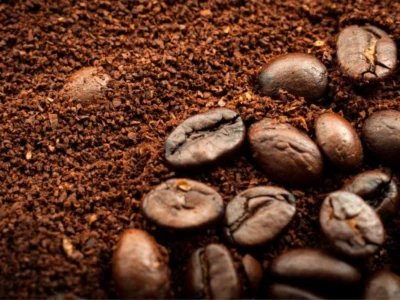
Once the tarts are gone the jar handles anything that needs to stay dry: rice crackers, nuts, dried mushrooms, ikan bilis, cereal, coffee beans, flour, sugar, pet treats and baking supplies. Wide-mouthed jars are easier to scoop from than narrow bottles, which is why they suit anything measured by cup rather than poured. Clear bodies let you see the level without opening, which is worth more in daily use than it sounds.
Sizing and Stacking
Buy fewer, larger jars for staples and several small matching ones for items used in smaller quantities. Square and rectangular bodies use shelf space considerably better than round ones, which waste the corners, and flat lids allow stacking where domed lids do not. Measure the shelf height in your cabinet before buying, since the most common regret is a set of jars that fits everywhere except the cupboard they were bought for.
Gifting and Presentation
Festive baking is given away as often as it is eaten at home, which makes presentation part of the purchase. Clear jars display contents well, and a matching set of festive packaging containers looks considered in a way that assorted reused containers do not. If jars are being given away, buy at a price point you are comfortable not seeing again, and consider whether the recipient will realistically reuse them or simply have another container to store.
Plastic, Glass or Tin
Each has a case. Glass looks the most substantial, does not absorb odours and is easy to clean, but it is heavy, breaks, and is a poor idea in a household with children or on a high shelf. Traditional tins are nostalgic and rarely airtight, which is why biscuits stored in them soften; they suit items that do not need to stay crisp. Food-grade plastic is light, does not shatter, seals well when fitted with a proper gasket, and costs least, which is why it dominates festive packaging and why it is the sensible choice for anything being carried, posted or given away.
Filling and Storing Properly
Let baked goods cool completely before sealing. Residual warmth condenses inside a closed jar and the moisture goes straight into the biscuits, which is the fastest way to ruin a batch. For very moisture-sensitive items, a food-safe desiccant sachet helps. Do not mix items with different moisture contents in one jar, since a soft cake will surrender water to a crisp biscuit sitting beside it. Store away from the stove and out of direct sun.
Cleaning and Longevity
Wash with warm soapy water, remove the gasket and clean the groove, and dry everything fully before reassembling, since a jar closed while damp grows mould in the seal. Avoid abrasive scourers on clear plastic because scratches cloud the body permanently. Strong-smelling contents such as dried shrimp can leave odours; a soak in a bicarbonate solution usually clears it. Handled this way, a good jar lasts many years.
Buying Sensibly
Decide what you are actually storing, then choose the closure to match: clip-and-gasket for anything that must stay crisp, screw or push-on for everyday dry goods. Prefer square bodies, flat lids and removable gaskets. Buy a matching set rather than accumulating odd containers, because a shelf of the same Cookie jar format stacks properly and stays usable long after the festive season that prompted the purchase.




Comments