
 By
By 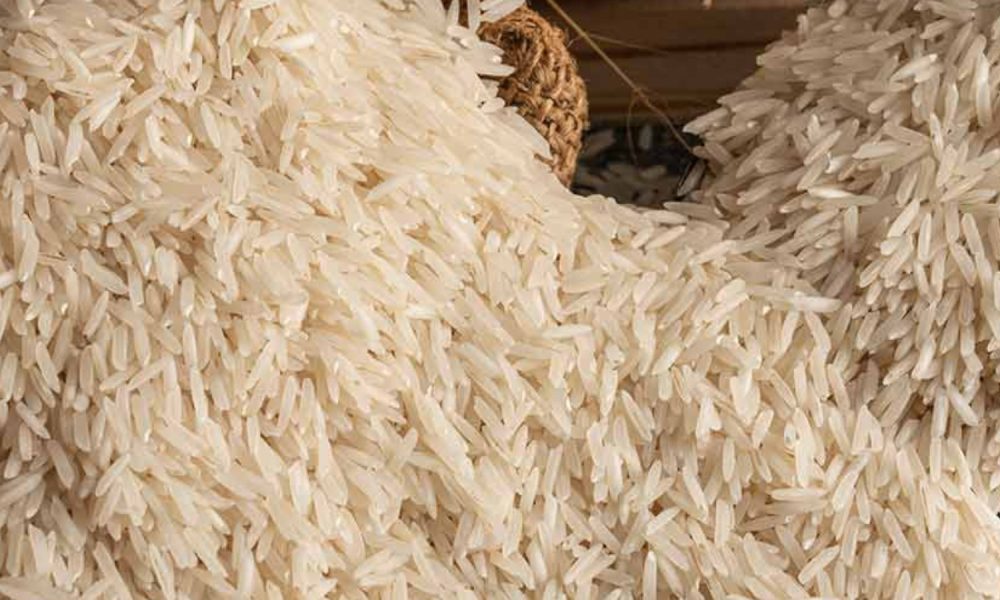
When households across the island search for reliable staples to anchor their daily meals, finding the right rice brand singapore becomes a decision that affects both nutrition and culinary satisfaction. Singapore’s diverse population demands rice varieties that meet different cultural preferences, cooking styles, and quality expectations, creating a marketplace where trusted options have earned their reputations through consistent performance over years and decades.
Understanding Singapore’s Rice Landscape
Singapore imports virtually all its rice, relying on international suppliers to meet the needs of its 5.9 million residents. This dependency has shaped a market where quality control and supply reliability matter enormously. The rice brand singapore consumers encounter on supermarket shelves represents carefully vetted selections from major growing regions across Asia and beyond.
Thai jasmine rice dominates preferences for its fragrant aroma and slightly sticky texture. Indian basmati varieties appeal to those seeking longer grains with distinct separation when cooked. Japanese short-grain rice serves households preparing sushi and other traditional dishes requiring specific textural properties. Each rice brand Singapore offers caters to these varied requirements whilst maintaining standards that meet local regulations.
The Singapore Food Agency oversees food safety, ensuring imported rice meets health and quality benchmarks. According to official guidelines, “all food imported into Singapore must comply with the Sale of Food Act and its subsidiary regulations,” establishing a framework that protects consumers whilst allowing diverse options.
Quality Indicators That Matter
Distinguishing superior rice requires understanding specific quality markers. Visual inspection reveals much about a rice brand Singapore stocks. Uniform grain size indicates careful sorting and processing. Broken grains suggest rough handling or inferior milling practices. Clarity and lack of discolouration point to proper storage and freshness.
Key quality factors include:
- Grain integrity with minimal breakage
- Consistent colour without yellowing or dark spots
- Freedom from foreign materials or impurities
- Appropriate moisture content preventing premature spoilage
- Clear labelling showing origin, variety, and import details
Aroma provides another crucial indicator. Fresh rice emits a clean, slightly nutty scent. Musty or sour odours signal age or improper storage conditions. A reputable rice brand singapore distributes takes care throughout the supply chain to preserve these quality attributes from mill to consumer.
Varieties Suited to Different Cooking Needs
Singapore’s multicultural cooking traditions demand multiple rice types. Long-grain varieties work well for fried rice, maintaining separation and firm texture even when stir-fried with sauces and ingredients. Medium-grain options suit daily steamed rice served alongside curries, stews, and braised dishes common in local cuisine.
Short-grain rice varieties possess higher starch content, creating the sticky consistency essential for certain preparations. These work particularly well for dishes requiring moldable rice or applications where grains should cling together. Understanding these distinctions helps consumers match the right rice brand Singapore offers to their specific culinary requirements.
Brown rice options have gained popularity among health-conscious consumers. These retain the bran layer removed during white rice processing, providing additional fibre and nutrients. Some trusted rice brand Singapore selections now include both white and brown variants of popular varieties, acknowledging shifting dietary preferences.
Price and Value Considerations
Cost varies significantly across different rice brand singapore imports. Premium options command higher prices reflecting superior quality, careful processing, and often more prestigious growing regions. Budget-friendly choices provide basic nutrition at lower cost points, suitable for households prioritizing affordability.
The relationship between price and quality isn’t always linear. Some moderately priced options deliver excellent value, offering good grain quality and reliable cooking performance without premium pricing. Savvy shoppers learn to identify these middle-ground choices through trial and comparison.
Bulk purchasing can reduce per-kilogram costs substantially. Many households buy larger bags of their preferred rice brand singapore stocks, storing supplies properly to maintain freshness. This approach requires adequate storage space and attention to consumption rates, ensuring rice gets used before quality deteriorates.
Storage Practices Affecting Quality
Even the finest rice brand Singapore imports will deteriorate without proper storage. Rice absorbs moisture and odours readily, making airtight containers essential. Cool, dry conditions preserve quality far longer than exposure to heat and humidity.
Pantry locations away from direct sunlight work best. Refrigeration isn’t necessary for white rice but can extend shelf life in particularly humid environments. Brown rice benefits more from cool storage due to oils in the bran layer that can turn rancid with time and warmth.
Proper storage prevents insect infestation, a common problem in tropical climates. Sealed containers deny access to weevils and other pests attracted to stored grains. Regular inspection catches any problems early, before entire supplies become compromised.
Making Informed Selections
Consumer reviews and recommendations provide valuable guidance when evaluating different options. Long-time residents often develop loyalty to particular rice brand Singapore selections after years of satisfactory use. These established preferences reflect consistent quality and reliable availability.
Experimentation helps households discover options matching their specific tastes and cooking styles. Purchasing smaller quantities of unfamiliar varieties allows testing without committing to large amounts. This exploratory approach reveals subtle differences in texture, aroma, and cooking behaviour between options.
Reading labels carefully reveals important information about processing methods, origin, and certification. Some rice brand Singapore markets carry organic certifications or specific quality designations from producing countries. These details help consumers align purchases with their values regarding agriculture and food production.
Conclusion
The abundance of options available reflects Singapore’s position as a sophisticated market demanding quality and variety. Households benefit from this competition, accessing rice types spanning Asia’s great growing regions whilst enjoying protections ensuring safety and honest representation. Trust develops through consistent performance, fair pricing, and the simple reliability of knowing that tonight’s dinner will cook properly, taste good, and nourish those gathered around the table. These practical considerations ultimately determine which rice brand singapore families return to repeatedly, building the reputations that guide newcomers and reassure longtime residents alike.












Comments