
 By
By 
Catering services have become a staple in various events, from weddings to corporate gatherings, offering guests a delightful array of culinary delights.
Among the popular catering options are buffet setups, which come in different forms, including mini buffets and traditional buffets.
While they both offer an assortment of dishes, there are distinct differences between the two that cater to different preferences and occasions.
In this comprehensive exploration, we delve into the nuances of mini buffet catering versus buffet catering, unraveling their unique characteristics and suitability for various events.
Understanding Buffet Catering
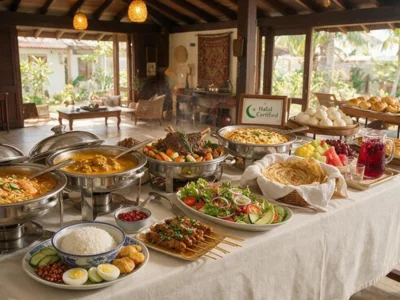
Buffet catering is a widely embraced catering style characterized by a self-service arrangement where guests serve themselves from a variety of dishes displayed on long tables or stations.
This setup provides guests with the flexibility to choose from a diverse selection of food items according to their preferences and dietary requirements. Buffet catering is favored for its inclusivity, allowing guests to customize their plates to suit their taste buds and portion sizes.
The Grandeur of Traditional Buffets
Traditional buffet catering typically features an extensive spread of dishes spanning various cuisines, ranging from appetizers and salads to main courses and desserts. It is often associated with large-scale events such as weddings, corporate functions, and lavish celebrations.
The presentation of the food plays a significant role in traditional buffets, with elaborate displays and decorative arrangements enhancing the overall dining experience.
Guests navigate through the buffet line, selecting their desired dishes and portion sizes before proceeding to their tables. This interactive dining experience fosters socialization and engagement among guests, as they exchange culinary recommendations and engage in gastronomic exploration.
Traditional buffets offer a sense of abundance and opulence, making them well-suited for events where guests seek a lavish dining experience.
Mini Buffets: A Contemporary Twist
In contrast to traditional buffets, mini buffets offer a more compact and curated dining experience. Mini buffets feature a limited selection of dishes presented in smaller portions, often arranged on individual platters or serving stations.
This catering style is characterized by its emphasis on quality over quantity, with a focus on delivering well-executed dishes that showcase culinary craftsmanship.
Mini buffets are ideal for intimate gatherings, cocktail parties, and events where a more refined dining experience is desired. By offering a carefully curated selection of dishes, hosts can ensure that each item is executed to perfection, thereby elevating the overall dining experience.
Additionally, mini buffets lend themselves well to events with space constraints, as they require less area for setup compared to traditional buffets.
Differentiating Factors
Several key factors differentiate mini buffets from traditional buffet catering:
- Variety vs. Focus:
Traditional buffets excel in offering a wide variety of dishes to cater to diverse tastes and preferences.
In contrast, mini buffets prioritize quality and focus on a select few dishes, allowing chefs to showcase their expertise and creativity.
- Presentation Style
Traditional buffets often feature elaborate presentations with decorative garnishes and thematic arrangements, creating a visually stunning spread.
Mini buffets, on the other hand, opt for a more minimalist approach, focusing on elegant plating and presentation techniques that highlight the essence of each dish.
- Guest Interaction:
Traditional buffets promote guest interaction and engagement as they navigate through the buffet line, interacting with fellow attendees and exchanging culinary experiences.
Mini buffets offer a more intimate dining experience, allowing guests to savor each dish at their own pace without the need for queuing or waiting.
- Event Suitability
Traditional buffets are well-suited for large-scale events where a grand dining experience is desired, such as weddings, galas, and corporate functions.
Mini buffets are perfect for smaller gatherings, cocktail parties, and intimate celebrations where quality and attention to detail take precedence over quantity.
- Cost Considerations:
Traditional buffets often involve higher costs associated with a larger quantity of food, elaborate presentations, and additional staffing requirements.
Mini buffets offer a more cost-effective solution, as they require fewer resources and can be tailored to suit budget constraints without compromising on quality.
- Menu Customization
Traditional buffets typically offer a fixed menu with predetermined dishes selected by the catering team or event organizers. While there may be some flexibility to accommodate dietary restrictions or preferences, the overall menu remains relatively static.
In contrast, mini buffets provide greater flexibility and customization options, allowing hosts to tailor the menu to suit the specific tastes and preferences of their guests.
This customization may involve incorporating seasonal ingredients, regional specialties, or thematic elements to create a unique dining experience that reflects the host’s personality or the theme of the event.
- Serving Style
The serving style differs between mini buffets and traditional buffets, influencing the overall dining experience. In traditional buffets, guests serve themselves directly from the communal food stations, using utensils provided for each dish. This self-service approach offers guests autonomy and freedom to choose their desired portions and combinations.
In contrast, mini buffets often feature a more personalized serving style, with dedicated servers or attendants stationed at each food station to assist guests in selecting and plating their dishes. This personalized service adds a touch of elegance and sophistication to the dining experience, enhancing guest satisfaction and comfort.
- Portion Sizes
Portion sizes vary between mini buffets and traditional buffets, reflecting their respective emphasis on quantity and quality.
Traditional buffets typically offer larger portion sizes to accommodate the diverse appetites of guests and ensure ample supply throughout the event. This abundance allows guests to indulge in multiple servings of their favorite dishes without fear of running out.
In contrast, mini buffets focus on smaller, more manageable portion sizes that prioritize quality and culinary precision.
By offering smaller portions, mini buffets encourage guests to sample a wider variety of dishes without overindulging, promoting a more balanced and diverse dining experience.
- Culinary Experience
The culinary experience differs between mini buffets and traditional buffets, influenced by factors such as menu complexity, cooking techniques, and presentation styles.
Traditional buffets often feature a mix of familiar comfort foods and signature specialties, catering to a broad audience with varying tastes and preferences. The emphasis is on satisfying hunger and providing a diverse range of options to accommodate different dietary requirements.
In contrast, mini buffets focus on delivering a refined and memorable culinary experience that highlights the skill and creativity of the chef.
Each dish is carefully crafted and meticulously plated to showcase the harmonious blend of flavors, textures, and visual aesthetics, creating an immersive gastronomic journey for guests.
- Space Requirements
Space requirements vary between mini buffets and traditional buffets, influencing the logistics of event planning and venue selection. Traditional buffets typically require more space due to the extensive spread of food stations, dining tables, and guest traffic flow.
Event organizers must allocate sufficient space for guests to move freely between food stations, queue comfortably, and dine without overcrowding. In contrast, mini buffets are more compact and space-efficient, making them suitable for smaller venues or intimate settings where space may be limited.
The streamlined setup of mini buffets minimizes congestion and optimizes space utilization, creating a more relaxed and intimate dining environment for guests to enjoy.
Conclusion
In conclusion, while both mini buffets and traditional buffet catering singapore offer guests the opportunity to indulge in a delightful array of culinary delights, they cater to different preferences and occasions.
Traditional buffets are synonymous with grandeur and abundance, ideal for large-scale events seeking to impress guests with a diverse selection of dishes.
On the other hand, mini buffets offer a contemporary twist with a focus on quality, making them perfect for intimate gatherings and events where a more refined dining experience is desired.
By understanding the nuances between these two catering styles, hosts can select the option that best aligns with their event’s vision, budget, and guest preferences, ensuring a memorable dining experience for all attendees.












Comments