
 By
By 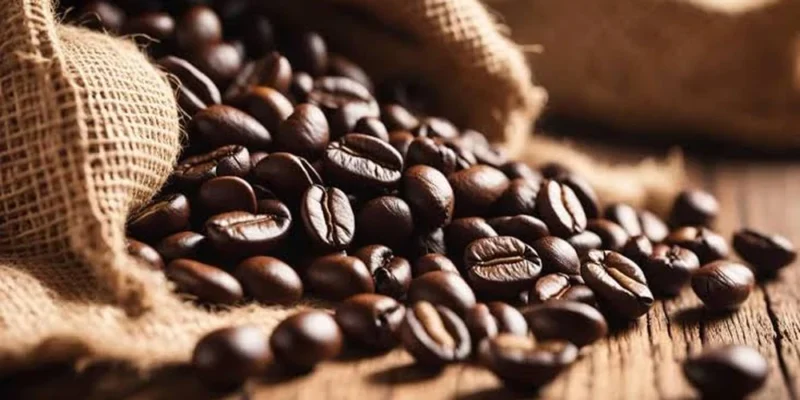
Buying arabica beans for an office involves a different set of decisions than picking up a bag for personal use at home, since factors like order quantity, storage conditions, and delivery cadence matter far more when you’re supplying a shared pantry rather than a single kitchen counter.
Understanding What You’re Actually Buying
Arabica beans sold in Singapore come from a wide range of origins, including Latin America, East Africa, and increasingly Southeast Asia itself, and each origin brings distinct flavour characteristics shaped by altitude, soil, and climate. Before comparing suppliers, it helps to have a rough sense of the flavour direction your office prefers, whether that’s a brighter, more acidic profile common to East African beans or a fuller-bodied, chocolatey character more typical of Latin American origins. This preference should guide the buying decision more than price alone, since two arabica bags at similar price points can taste dramatically different depending on origin and roast.
Checking Roast Dates, Not Just Expiry Dates
Coffee begins losing its aromatic complexity within a few weeks of roasting, well before any printed expiry date suggests the beans have gone bad, which means roast date matters far more for actual quality than shelf life. When buying for an office, look specifically for suppliers who print a clear roast date on the packaging and who maintain a rotating supply chain rather than large static inventories that might sit in a warehouse for months before reaching your pantry. A bag purchased two weeks after roasting will taste noticeably better than an identical bag that sat unsold for two months, even if both remain technically within date.
Sizing Your Order to Actual Consumption
Office coffee consumption varies with headcount and how many days a week your team is actually in, and ordering too far ahead risks beans losing freshness before they’re used, while ordering too conservatively means running out mid-week and scrambling for a top-up. A rough starting point is estimating your daily cup count and working backward to a weekly or fortnightly bean quantity, then adjusting based on actual usage once you have a few cycles of real data. Suppliers who offer flexible, recurring delivery schedules make this easier to manage than a single large bulk order placed infrequently.
Storage Considerations for a Shared Pantry
Beans kept in a shared office environment need proper storage to maintain quality between deliveries, ideally in an airtight container away from direct light and heat, since exposure to air and warmth accelerates the staling process considerably. A pantry positioned near a window or under direct kitchen lighting isn’t an ideal storage environment, and a simple airtight canister makes a meaningful difference in how beans taste by the end of a delivery cycle compared to leaving an open bag sitting on a shelf.
Where to Source Quality Arabica for Office Use
Sourcing through a dedicated coffee and pantry supplier rather than a general grocery channel typically gives better visibility into origin, roast date, and delivery consistency, all of which matter more for a recurring office order than a one-off purchase. A bean such as the Guatemala arabica available through Daiohs demonstrates the kind of origin-specific detail worth looking for when comparing suppliers, since knowing exactly where and how a bean was grown gives a clearer picture of what to expect in the cup than a generic label ever could.
Matching Beans to Your Brewing Method
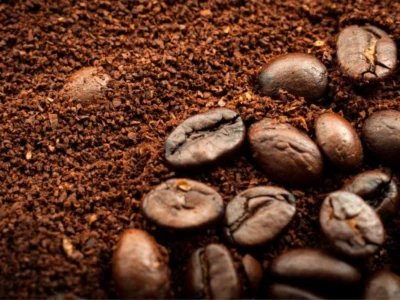
The right arabica purchase also depends on how your office actually brews coffee, since beans roasted and ground for espresso extraction through a bean-to-cup machine perform differently than beans intended for a filter brewer. It’s worth confirming with a supplier whether a specific bean is suited to your machine type before committing to a recurring order, since a mismatch here can leave even a genuinely good bean tasting underwhelming.
Working With a Supplier Who Can Explain the Sourcing
Price sheets and product photos only tell part of the story, and one of the clearer signs of a supplier worth a recurring relationship is whether someone on their team can actually answer questions about where a specific lot came from, how it was processed, and why a particular roast level was chosen for it. A supplier who can speak to these details usually has a closer relationship with growers or importers than one reselling generic stock under a house label, and that closeness tends to show up in more consistent quality from one delivery to the next. It’s a reasonable thing to ask about during an initial conversation, since a vague answer or a shrug in response to a sourcing question says almost as much as a confident, specific one.
Adjusting Your Order as Office Habits Change
An arabica order that suited your office six months ago may no longer fit once headcount shifts, hybrid work patterns settle into a new rhythm, or a run of hot weather pushes more people toward iced coffee instead of hot cups brewed fresh through the morning. Treating your bean order as a fixed, one-time decision rather than something to revisit periodically means you’re either overpaying for beans that go stale before they’re used or running short during weeks when demand outpaces what was budgeted. Building in a quarterly check-in, even an informal one where someone glances at recent usage and adjusts the standing order, keeps the arrangement matched to how the office is actually drinking coffee rather than how it drank coffee when the contract was first signed.
Buying arabica coffee beans in Singapore for an office comes down to matching origin and roast preference to your team’s taste, verifying freshness through roast dates rather than expiry dates, and sizing orders realistically against actual consumption rather than guessing.









Comments