
 By
By 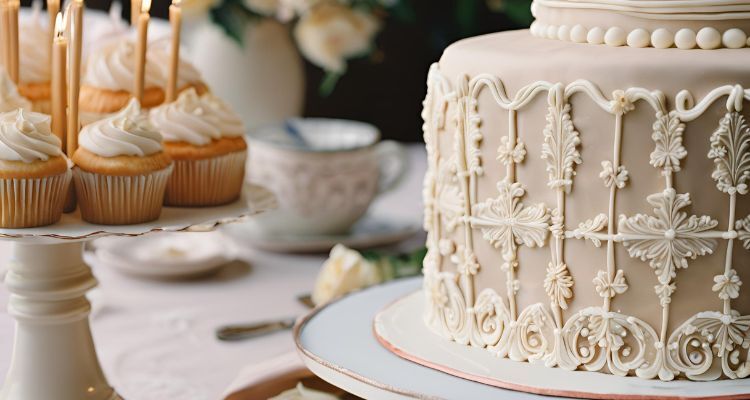
In the world of baking, presentation is just as important as taste. Royal sugar icing decorations have become a favorite among professional bakers and hobbyists alike, offering a way to elevate cakes, cookies, and pastries with intricate and elegant designs. Known for its smooth texture and hard-drying finish, royal icing allows creative expression that can transform a simple dessert into a visual masterpiece.
What Makes Royal Sugar Icing Special
Royal sugar icing is different from other icings because of its consistency and versatility. Made primarily from powdered sugar, egg whites, or meringue powder, and sometimes a touch of lemon juice, this icing is ideal for creating detailed designs that hold their shape as they dry. Its firm texture allows decorators to pipe flowers, lace patterns, borders, and lettering with precision, making it a staple in cake decorating and sugar art.
One of the key advantages of royal sugar icing decorations is their durability. Once dried, the designs become hard and can maintain their form for days, even weeks. This feature is particularly useful for special occasion cakes, wedding cakes, or decorative cookies that need to be transported without damage. The icing’s smooth finish also provides a perfect canvas for painting, airbrushing, or dusting with edible powders, adding layers of creativity to each piece.
Royal sugar icing can be colored using food gels, powders, or natural colorants, allowing for a wide palette that matches any theme or celebration. Its flexibility makes it suitable for both professional bakers and home decorators who want to experiment with intricate designs without the risk of collapsing or smudging.
Techniques for Creating Stunning Royal Sugar Icing Decorations
Creating beautiful royal sugar icing decorations requires practice, patience, and the right techniques. One of the most common methods is piping. Using a piping bag fitted with different nozzles, decorators can craft flowers, borders, swirls, and lettering. Consistency is crucial: too thin, and the icing will spread; too thick, and it becomes difficult to pipe smoothly. Achieving the right balance ensures clean lines and defined shapes.
Flooding is another popular technique, where outlines are piped first and then filled in with a thinner icing. This method is often used for decorated cookies, creating smooth surfaces that can be painted or embellished once dry. Layering colors or textures can add depth and dimension, making each decoration unique.
Royal sugar icing decorations can also be molded or sculpted. Using silicone molds, cutters, or hand shaping, bakers can create three-dimensional designs like bows, flowers, or figurines. Once dry, these elements can be attached to cakes or other desserts using a dab of fresh royal icing as glue. The ability to craft intricate elements adds a professional touch, allowing decorators to achieve designs that were once only possible with fondant or gum paste.
Drying and storage are equally important. Decorations should be left to harden at room temperature, away from humidity, which can soften or distort the icing. Once hardened, they can be stored in airtight containers until ready to use, ensuring longevity and preserving the delicate details.
Choosing the Right Royal Sugar Icing Tools
Having the right tools enhances the experience of creating royal sugar icing decorations. Piping bags, couplers, and a variety of tips are essential for precise designs. A small offset spatula or palette knife can be used to smooth surfaces or correct minor imperfections. Decorating brushes allow for painting or adding edible shimmer, making designs more vibrant and lifelike.
Silicone molds and cutters are particularly helpful for beginners who want to achieve professional-looking results without advanced skills. These tools allow decorators to replicate consistent shapes and intricate patterns quickly. For more advanced techniques, stencils and airbrush tools can be used to add textures, gradients, or detailed patterns that elevate the overall design.
Practice is key when working with royal sugar icing. Even small adjustments in pressure, speed, or angle can significantly impact the outcome. Bakers who dedicate time to mastering these skills can create elaborate decorations that rival those of professional cake artists, making their baked creations not only delicious but visually stunning.
Benefits of Using Royal Sugar Icing Decorations
The popularity of royal sugar icing decorations is not without reason. One major benefit is the level of detail it allows, which cannot always be achieved with buttercream or other soft icings. This makes it ideal for weddings, anniversaries, and other special occasions where presentation is paramount.
Another advantage is versatility. Royal sugar icing can adhere to cakes, cookies, cupcakes, and even chocolate surfaces, expanding creative possibilities. Its long shelf life when dried also allows bakers to prepare decorations in advance, saving time and reducing stress when assembling elaborate designs.
Royal sugar icing decorations can also be combined with other edible elements like gold leaf, sprinkles, or sugar pearls, adding layers of sophistication. This adaptability ensures that every creation can be customized to suit personal style, event themes, or seasonal designs. Additionally, because the icing hardens solid, it can be shipped or transported without worry, making it ideal for bakers who sell custom desserts or participate in competitions.
Incorporating royal sugar icing decorations into baking projects enhances not only the visual appeal but also the perceived value of the desserts. Cakes and cookies adorned with meticulous, handcrafted designs are often seen as premium offerings, appealing to clients who seek elegance, artistry, and attention to detail.
Royal sugar icing decorations are more than just embellishments; they are an art form that combines creativity, precision, and patience. From delicate flowers and intricate lace patterns to vibrant sculpted figures, this icing offers endless possibilities for bakers who wish to elevate their craft. By mastering techniques, using the right tools, and understanding the properties of the icing, decorators can create memorable, visually striking desserts that leave a lasting impression.







Comments